Policy & Research · Texas behavioral health news
Arrests of Immigrant Parents Create Mental Health Crisis for Children
KFF Health News – Mental Health · By Claudia Boyd-Barrett · June 18, 2026
In plain language
When immigrant parents are detained or deported, their children often face a severe mental health crisis. Separation from a primary caregiver causes intense stress that can lead to depression, anxiety, and delays in a child's development. Many children, most of whom are U.S. citizens, experience long-term health risks including heart disease and a weakened immune system due to this trauma. Families report that children may stop eating, struggle in school, or experience constant fear after a parent is suddenly taken away.
AI-generated summary of the source article. Not medical advice.
Key takeaways
- Separating children from their parents causes immediate harm to their brain development and long-term physical health.
- Children experiencing parental separation have higher risks for depression, anxiety, and post-traumatic stress disorder.
- Early childhood trauma from family separation is linked to chronic adult conditions like heart disease and diabetes.
- Many children affected by these immigration enforcement actions are U.S. citizens who rely on their parents for basic care.
- Therapists report that separated children often suffer from regression, such as losing the ability to walk or speak clearly.
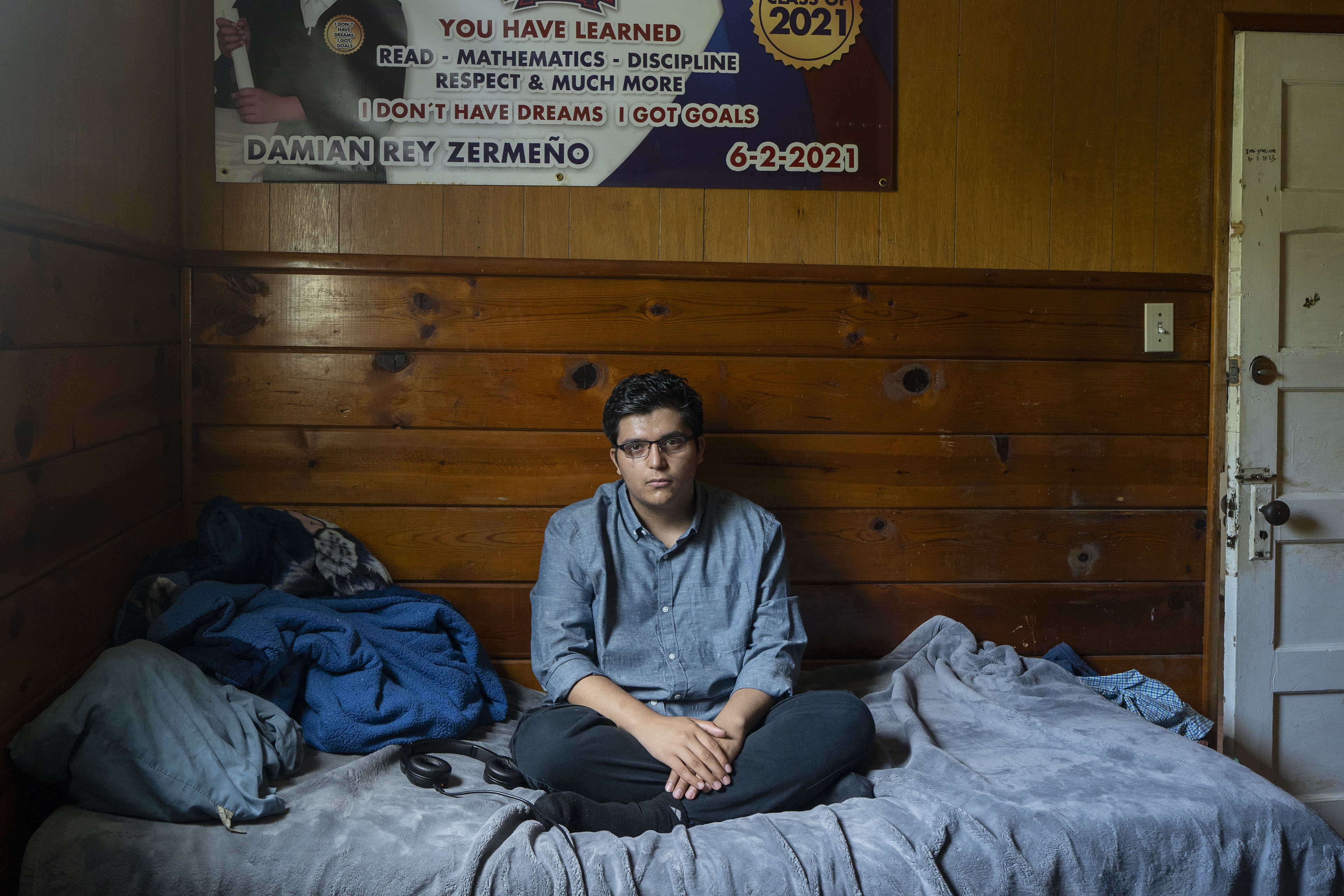
An estimated hundreds of thousands of children, many of them U.S. citizens, have been separated from a parent in the Trump administration’s immigration crackdown. Their distress manifests in physical and mental health symptoms including developmental regression, stomachaches, sleep problems, and falling grades. Research points to long-term health consequences.
Need to talk to someone in Texas? Browse Texas-licensed telehealth therapists. In crisis, call or text 988.