Specialty
Childhood Abuse or Neglect therapists in Texas
15 licensed Texas clinicians who work with childhood abuse or neglect. All sessions are telehealth and available across every Texas county.

Adolfo Correa Lopez, LPC Associate
Therapist
Casey Janes, LCSW
Therapist
Cathy Delgado-Standerfer, LPC Associate
Therapist
Glenn Olds, FL, PhD
Clinician
Jordan Small, LPC
Therapist
Kathleen Fahrner, PhD
Therapist
Laurie Gamble, LCSW
Clinician
Mamta Chhabra, LPC
Therapist

Mariana Jaramillo, LPC
Therapist
Speaks: English, Spanish

Riley Shoubash, LPC
Licensed Professional Counselor
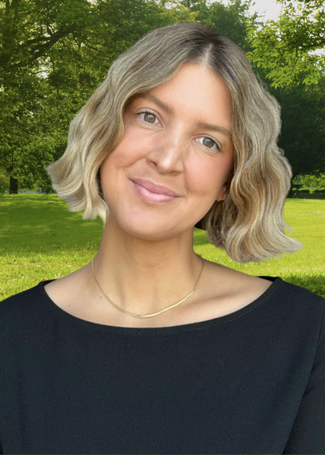
Savannah Miller, PsyD
Post-Doctoral Fellow
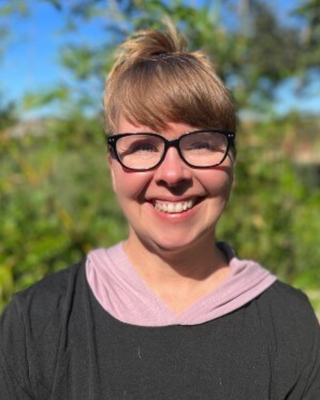
Selena Tyler, LPC
Licensed Professional Counselor
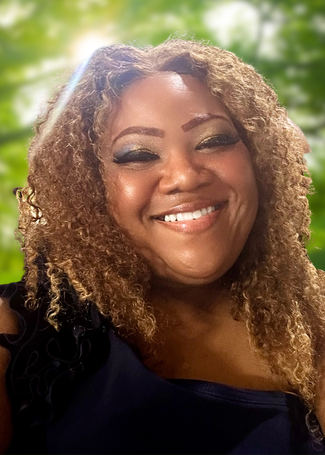
Sheaundra O'Neil, LPC
Licensed Professional Counselor
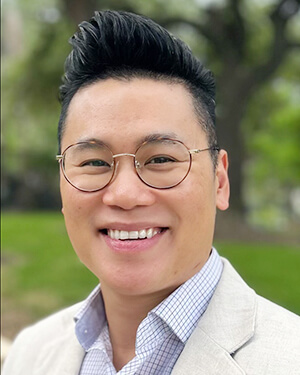
Wayne Nguyen, PsyD
Licensed Clinician
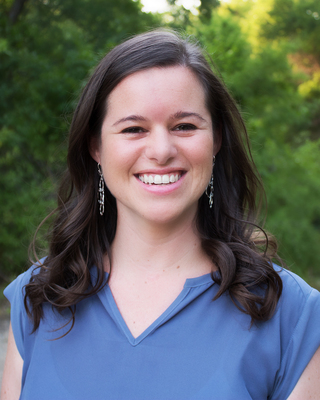
Sara Spotswood, LPC
Licensed Professional Counselor
Frequently asked about childhood abuse or neglect therapy in Texas
How do I find a childhood abuse or neglect therapist in Texas?
Our directory lists 15 Texas-licensed therapists who specialize in childhood abuse or neglect. All can see clients statewide via secure telehealth. Filter by city, county, language, or insurance, then book directly with the clinician.
Does insurance cover childhood abuse or neglect therapy in Texas?
Most major Texas plans — Blue Cross Blue Shield of Texas, Aetna, Cigna, UnitedHealthcare, Superior HealthPlan (Medicaid), and Medicare — cover outpatient mental health therapy including childhood abuse or neglect treatment. Check each therapist's profile for the plans they currently accept.
Can childhood abuse or neglect therapy be done by video?
Yes. Telehealth is well-established for childhood abuse or neglect treatment and is covered by most insurance the same as in-person care. Any Texas-licensed therapist can see Texas residents by secure video.
How long does childhood abuse or neglect therapy take?
It varies. Many people see meaningful change in 8-20 weekly sessions, but timelines depend on the severity, history, and treatment approach. Your therapist will discuss expectations during the first 1-2 sessions.
What evidence-based approaches are used for childhood abuse or neglect?
Common evidence-based modalities include Cognitive Behavioral Therapy (CBT), Acceptance and Commitment Therapy (ACT), Dialectical Behavior Therapy (DBT), EMDR for trauma, and emotionally focused therapy for relationships. The right approach depends on your goals — your therapist will discuss this in session one.
How is the first childhood abuse or neglect session structured?
Most first sessions are an intake: the therapist asks about your history, current symptoms, goals, and what's worked before. You'll discuss confidentiality, fees, and the proposed treatment plan. Expect to leave with a clear sense of next steps.
Do I need a referral from a primary care doctor?
For most commercial plans (BCBS PPO, Aetna, Cigna, United) — no, you can book directly. Some HMO plans and Medicaid require a referral. Check the back of your insurance card or call member services before your first session.
What if my child or teen needs childhood abuse or neglect therapy?
Many of our Texas clinicians specialize in adolescents and children. Texas law requires parental consent for minors under 18, except in narrow situations (suicidal crisis, certain substance-use evaluations). Filter for "child" or "adolescent" specialty.
Can I use my HSA or FSA to pay for childhood abuse or neglect therapy?
Yes. Outpatient psychotherapy is an IRS-qualified medical expense. Most clinicians accept HSA/FSA debit cards or will provide a superbill you can submit for reimbursement.
What's the difference between a therapist, psychologist, and psychiatrist?
LPCs, LCSWs, and LMFTs provide talk therapy. Psychologists (PhD/PsyD) provide therapy and formal psychological testing. Psychiatrists and PMHNPs are medical providers who can prescribe medication — many also do therapy, or coordinate with a separate talk therapist.